After a few years of incremental updates and competitors gaining ground, Samsung finally revolutionizes its foldable smartphones. The new Samsung Galaxy Z Fold 7 and Samsung Galaxy Z Flip 7 arrive in 2025 with major improvements in design, displays, performance, and features. Let’s look at what’s new and review the pros and cons of each model, so you know what to expect from these innovative devices.
Galaxy Z Fold 7: Main New Features and Improvements
Thinner, lighter, and more durable design
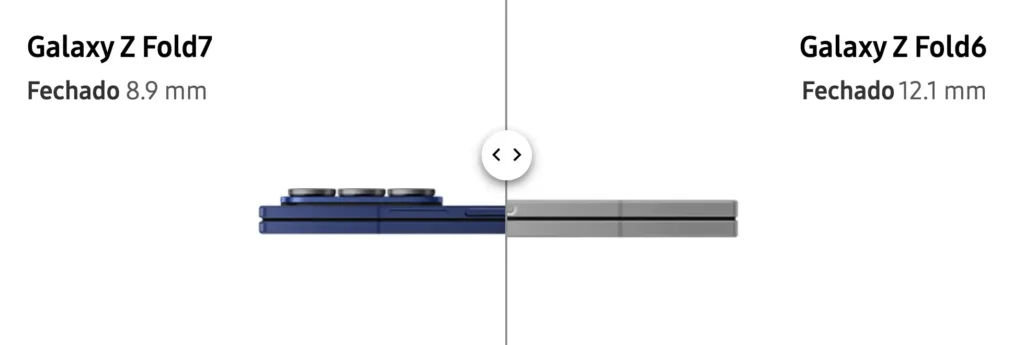
The Galaxy Z Fold 7 features a radically thinner and lighter design compared to its predecessor. When closed, it is only 8.9 mm thick, an impressive reduction compared to 12 mm on the previous generation. This puts it among the thinnest foldables in the world, without compromising sturdiness. At 215 g, it is also lighter than a conventional phone like the S25 Ultra, which makes it more comfortable to handle day to day.
To achieve this slim profile, Samsung redesigned the hinge, now a thinner and more durable Armor FlexHinge, and reinforced the build with premium materials (Armor Aluminum frame and Gorilla Glass Ceramic on the exterior). It is important to note that this refinement came with a sacrifice: S Pen support was removed on the Fold 7. In other words, unlike the Fold 6, you cannot use a stylus on the new model, a trade-off made to reach a thinner body. Even so, Samsung kept the IPX8 water resistance rating, so the Fold 7 remains ready for liquid accidents.
Ecrãs maiores e experiência aprimorada
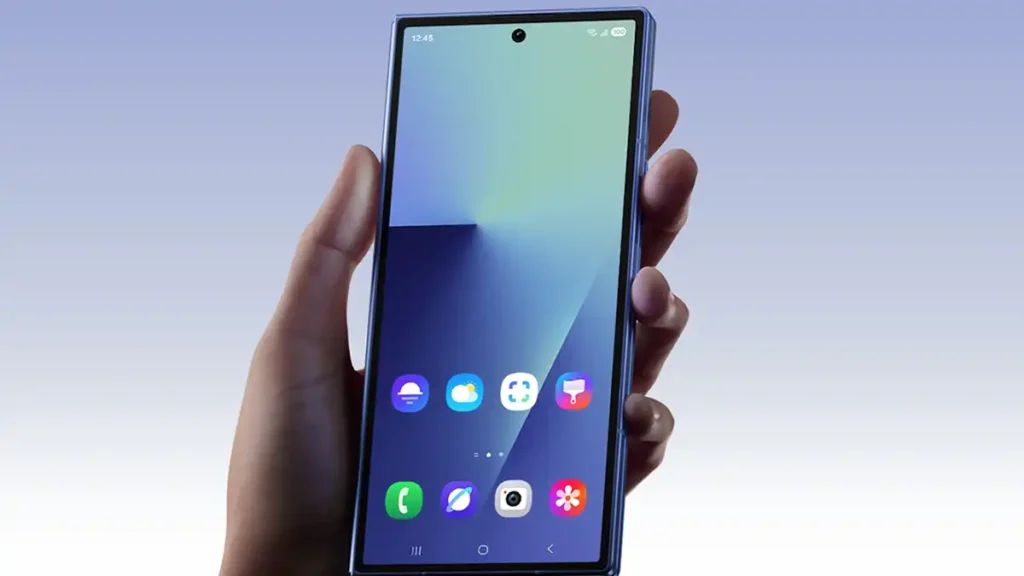
A recurring complaint about previous Fold models was the narrow external screen format. With the Galaxy Z Fold 7, Samsung listened and delivered larger, more immersive displays. The outer display grew to 6.5 inches (21:9 aspect ratio), as wide as a normal smartphone display, which makes typing messages and using apps easier with the phone closed. The inner foldable display now reaches 8.0 inches, about 11% larger than the previous generation, excellent for productivity and entertainment.
Both screens are Dynamic AMOLED 2X with vivid colors and 120Hz support, which ensures smooth animations. Peak brightness is also impressive (up to 2600 nits), which helps visibility even under direct sunlight. In short, the Fold 7 offers a visual experience on par with the most advanced competitors, and it finally removes the sense of compromise on the external display.
Top-tier performance and cameras
Inside, the Galaxy Z Fold 7 comes with the latest hardware. The processor is the Snapdragon 8 Elite (“for Galaxy”) built on 3 nm, the same ultra-powerful chip from the S25 line, which ensures top performance for multitasking, gaming, and AI. This chipset delivers meaningful gains in speed and efficiency versus the previous generation. Even without a battery capacity increase (it keeps a battery similar to the Fold 6), battery life should match or exceed the previous model thanks to better energy efficiency.
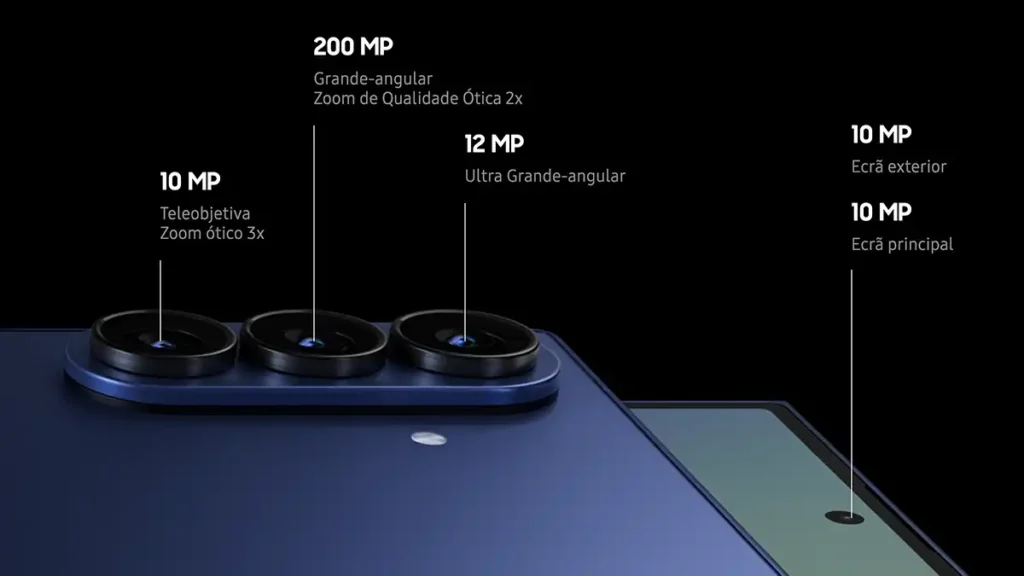
On cameras, for the first time on a Samsung foldable, there is a 200 MP main (wide) sensor, inherited from the S25 Ultra. Photos should deliver rich colors, 44% more brightness, and improved detail, even in night scenes (video Nightography also improved). There is also an ultra-wide camera (12 MP) and a telephoto lens for zoom, which creates a versatile flagship-level set. In summary, the Fold 7 combines power and high-end photography, standing shoulder to shoulder with the best in the market.
Tip: For those who value productivity, the Fold 7 still offers One UI multitasking features (Android 16) optimized for a large display. Even without the S Pen, it remains strong for work on the go.
Galaxy Z Flip 7: Main New Features and Improvements
Huge outer display and refined design
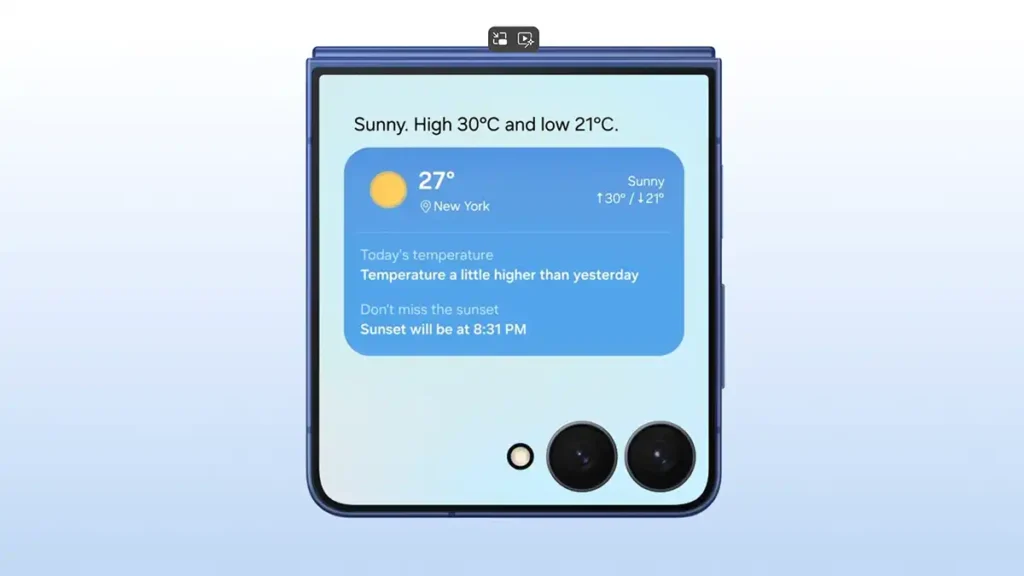
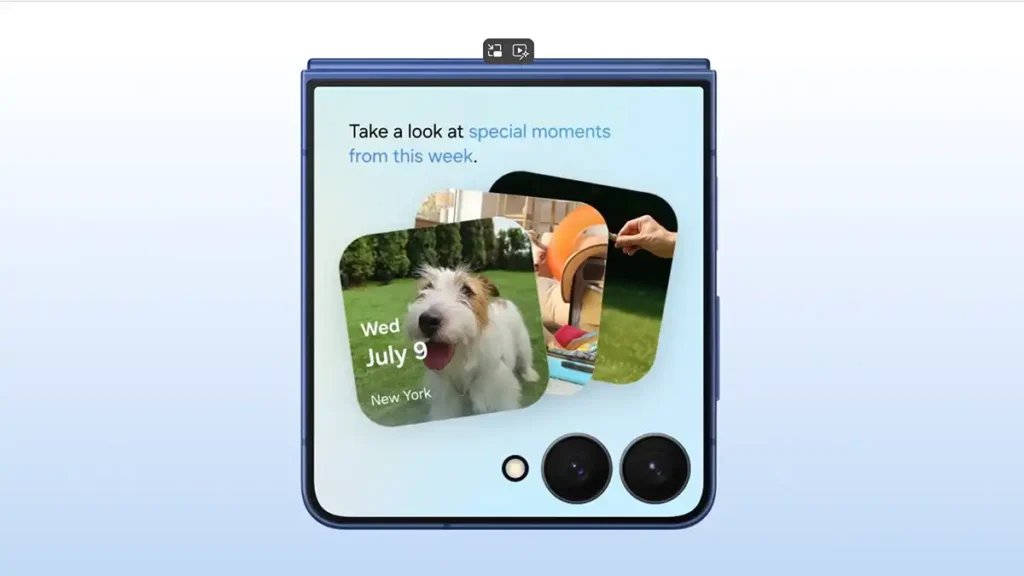
The Samsung Galaxy Z Flip 7 may not get the same media spotlight as the Fold, but it is where Samsung delivered some of the most requested changes. The outer display, now called FlexWindow, grew to 4.1 inches and takes up almost the entire top half of the device when closed. With edge-to-edge coverage, this Super AMOLED screen is not only bigger than the previous model, it even surpasses the Motorola Razr display, which set the trend in this area.
Beyond size, it adds a 120Hz refresh rate and up to 2600 nits of brightness, which makes it the smoothest and brightest secondary screen ever on a Samsung Flip. In practice, you can do much more without opening the phone, from reading and replying to messages, to controlling music, or using Samsung productivity tools (Gemini Live and other AI features) directly on the outer display.
The overall design of the Flip 7 also improves. It remains a compact clamshell phone, but with premium build and balanced dimensions. When closed, it is only 13.7 mm thick (vs 15 to 17 mm on predecessors), the thinnest Flip ever. Weight also drops to 188 g, supported by the new Armor FlexHinge and reinforced materials (aluminum frame and Gorilla Glass Victus 2). In hand, the reduction is clearly noticeable, with a more elegant feel and less “brick” in the pocket. Importantly, like the Fold, the Flip 7 keeps IPX8 water resistance, a key feature for a daily-use foldable.
Improved performance and a larger battery
Inside, the Galaxy Z Flip 7 also brings substantial upgrades. Samsung equips it with the latest 3 nm processor (also from the Snapdragon or Exynos “for Galaxy” family), which delivers fast performance across tasks and better energy efficiency.
A major new feature: the Flip 7 supports Samsung DeX for the first time in the Flip line. This means you can connect the phone to a monitor or TV and use it like a desktop computer, which expands productivity on such a compact device.
Another historical weakness of the Flip line was battery life, but this year’s model addresses that with the largest battery ever on a Galaxy Z Flip: 4,300 mAh. That is about 15% more than the previous generation, with up to 30+ hours of video playback (according to Samsung) on a single charge. Together with the more efficient chip, a clear jump in battery life is expected, which helps users who feared frequent recharges. On software, the Flip 7 runs One UI 8 (Android 16) optimized to take advantage of the new outer display and Samsung AI features.
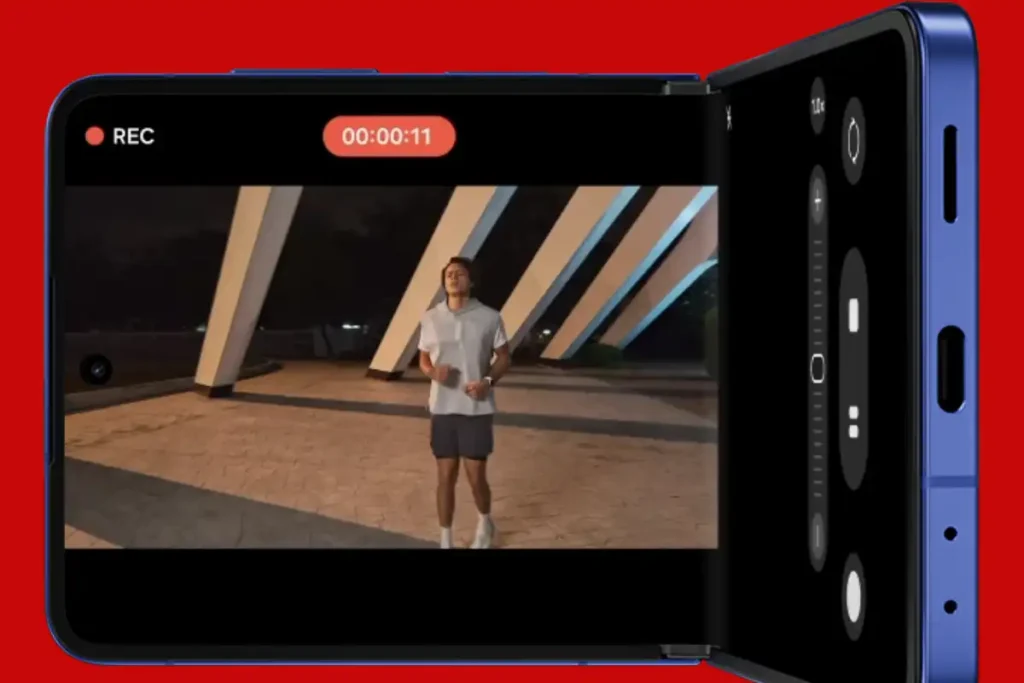
Better cameras and new features
The Galaxy Z Flip 7 keeps a dual rear camera setup, but now with improved sensors. The main camera is 50 MP (wide), a major upgrade from 12 MP on prior models, which should deliver sharper, more detailed photos. The second camera is a 12 MP ultra-wide, ideal for wide shots.
Samsung promises improved night photography (Nightography) and better image processing thanks to the new ProVisual Engine and integrated Galaxy AI. The biggest shift in the photography experience comes from the FlexWindow display. With the larger external screen, taking selfies with the main cameras becomes much more practical and versatile. You can see a large preview, apply real-time filters, and use a new Zoom Slider on the external display to adjust framing more easily when taking selfies or recording video with the phone closed. Essentially, the Flip 7 becomes an excellent compact camera when closed, which should appeal to photography enthusiasts and content creators.

Pros and Cons
Samsung Galaxy Z Fold 7
- Pros: Significantly thinner and lighter design (8.9 mm closed, 215 g); larger, high-quality displays (6.5” external 21:9 and 8.0” internal at 120Hz); premium, more durable build; flagship-level 200 MP camera, top performance with Snapdragon 8 Elite.
- Cons: No S Pen support, which may disappoint professional users, very high price (base variant $2,169 in Portugal); battery capacity did not increase, battery life depends more on optimization than extra capacity; thinner hinge means no internal space to store an S Pen (even as an optional accessory).
Samsung Galaxy Z Flip 7
- Pros: Much larger outer display (4.1” at 120Hz) that improves usability without opening the phone, thinner (13.7 mm) and lighter body with excellent build quality, 4,300 mAh battery, the largest on a Flip, with improved battery life, Samsung DeX support (new to the Flip series) plus overall performance upgrades; upgraded 50 MP main camera with better photo output.
- Cons: Premium price for a clamshell phone ($1,249 for the base model), pocket space can still be a challenge when folded (still relatively thick), software limits remain on the outer screen, not all apps run freely on the external display without tweaks, Exynos use in some regions (instead of Snapdragon) may frustrate enthusiasts, even though performance remains high.
The Galaxy Z Fold 7 and Z Flip 7 mark an important leap in Samsung’s foldable strategy. The brand addressed key criticism and delivered clear improvements: the Fold 7 gains the refinement and specs that place it back near the top of the segment, while the Flip 7 finally gets the large outer display and respectable battery life many users wanted. Of course, innovation comes with compromises. The Fold gives up S Pen support, and both models keep very high prices. Still, if you want Samsung’s best foldable devices in 2025, these models deliver.
Final tip: If you feel ready to make the jump, both models are already available for pre-order. You can also visit Samsung’s official Galaxy Z Fold 7 page for more details or to reserve. Whether you want a huge screen in your pocket (Fold 7) or the charm of the clamshell format with top-tier tech (Flip 7), Samsung now offers mature options that compete head to head with any rival.